
South Sudan: UN Forced to Suspend Food Aid After ‘Unacceptable’ Attacks on Convoy
Introduction
South Sudan, the world’s newest nation, has been grappling with a myriad of challenges since gaining independence in 2011. Among the most pressing issues is the humanitarian crisis, exacerbated by ongoing violence and political instability. Recently, the United Nations (UN) was compelled to suspend its food aid operations following a string of unacceptable attacks on its supply convoys. This situation has ignited international outrage and indicated a profound setback in efforts to alleviate hunger in the region.
The Humanitarian Crisis in South Sudan
A Background Overview
South Sudan is home to one of the most severe humanitarian crises in the world. According to the World Food Programme (WFP), millions of people are in urgent need of food assistance. The nation has been affected by decades of conflict, both before and after independence, leading to mass displacements and destabilizing the agricultural sector.
Factors Contributing to Hunger
The causes of hunger in South Sudan are multi-faceted:
-
Conflict: Ongoing tribal conflicts and political power struggles have resulted in violence and insecurity, making it hard for humanitarian organizations to deliver assistance.
-
Economic Instability: Economic decline and soaring inflation have hampered food availability and accessibility.
-
Climate Change: Flooding and droughts have severely impacted crop production, further exacerbating food shortages.
UN Operations in South Sudan
The Role of the United Nations
The United Nations plays a crucial role in addressing the humanitarian needs of the South Sudanese population. Through agencies such as the WFP and UNICEF, the UN aims to deliver food assistance, medical aid, and other critical support.
The Recent Suspension of Food Aid
In recent weeks, the UN announced the suspension of food aid operations following repeated attacks on their convoys. This decision came as a shock to many, as millions rely solely on this aid for survival.
Details of the Attacks
Nature of the Attacks
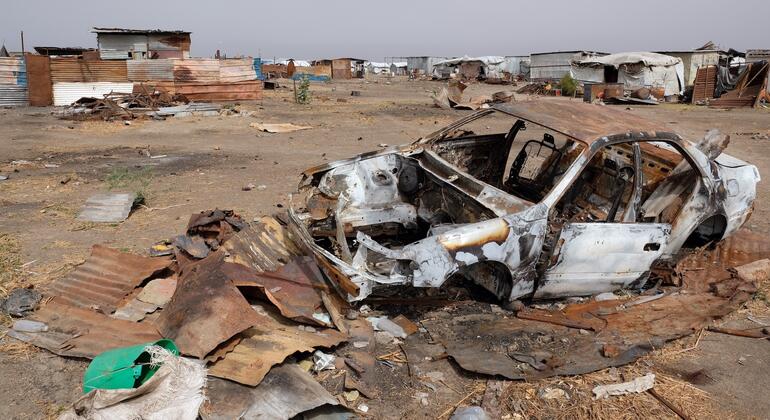
Reports indicate that armed groups targeted UN food convoys with the intent to steal supplies, jeopardizing the safety of workers and preventing assistance from reaching those in need. Such attacks are deemed “unacceptable” by UN officials, who fear the consequences of further violence on vulnerable populations.
Impacts on Humanitarian Efforts
The suspension of food aid has a domino effect. Without proper food provision, malnutrition rates are likely to soar, particularly among children and vulnerable groups, leading to severe long-term repercussions.
The International Response
Condemnation of Violence
International condemnation has followed the attacks, with numerous governments and humanitarian organizations calling for an immediate cessation of violence against humanitarian workers. The UN has urged all parties involved to respect international humanitarian law, which protects humanitarian operations.
Calls for Reinstating Humanitarian Aid
Alongside calls for peace, there has been a significant push to reinstate humanitarian operations. Advocacy groups emphasize the essential need for a safe passage for aid workers to properly address the crisis.
The Path Forward
Strengthening Security Measures
To ensure the safety of UN humanitarian workers and their convoys, it is vital for both local authorities and the UN to collaborate on enhanced security measures. This may include negotiating safe zones or deploying peacekeeping forces to facilitate the distribution of aid.
Engaging Local Communities
Engaging local communities in humanitarian efforts proves essential. This partnership can foster trust and enhance the effectiveness of aid delivery, reducing the likelihood of attacks on convoys. Furthermore, education on the importance of humanitarian assistance can mitigate misunderstandings that lead to violence.
Long-term Solutions to Hunger
While immediate aid is critical, addressing the root causes of hunger in South Sudan requires comprehensive and sustainable solutions. Investment in agricultural development, infrastructure, and education will be paramount in alleviating the cycle of poverty and conflict.
Conclusion
The recent suspension of UN food aid in South Sudan due to ‘unacceptable’ attacks on convoys marks a grim reality for millions in need. The humanitarian crisis is profound, rooted in conflict, economic instability, and climate challenges. Addressing these issues requires a concerted effort from the international community, local government, and humanitarian organizations. The road ahead may be fraught with challenges, but the need for action has never been more urgent. With appropriate measures and international support, there remains hope for a more stable, peaceful, and nourished South Sudan.
Keywords
- South Sudan
- UN Food Aid
- Humanitarian Crisis
- Ongoing Violence
- Political Instability
- Malnutrition
- International Response
- Safe Passage for Aid
By strategically using the keywords relevant to the topic, this article aims to reach a wider audience concerned about the situation in South Sudan and the essential humanitarian efforts needed to address it.
For more details and the full reference, visit the source link below:
Read the complete article here: https://news.un.org/feed/view/en/story/2026/02/1166888