
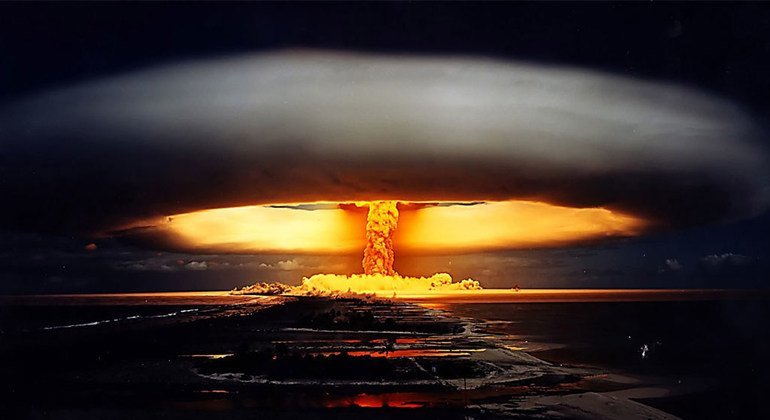

UN Chief Warns of ‘Grave Moment’ as Final US-Russia Nuclear Arms Treaty Expires
Introduction
The expiration of the last significant nuclear arms control treaty between the United States and Russia has generated fresh concerns among international leaders and experts alike. United Nations Secretary-General António Guterres has characterized this juncture as a “grave moment,” emphasizing the need for urgent dialogue to prevent a potential escalation of nuclear arms races. This article delves into the implications of this situation, provides historical context, and discusses potential paths forward.
The Importance of Nuclear Arms Control
Nuclear arms control treaties have long been considered vital for global stability. They not only limit the quantity and spread of nuclear weapons but also foster diplomatic relations between countries. The Strategic Arms Reduction Treaty (START), which is set to expire, has played a crucial role in maintaining a balance of power between the U.S. and Russia since its inception in the early 1990s.
Historical Context
The START framework dates back to the Cold War era, a time marked by heightened tensions between the two superpowers. Over the decades, various treaties have emerged, including the Strategic Offensive Reductions Treaty (SORT) and the New START Treaty. These agreements significantly reduced the number of deployed strategic warheads and delivery systems, thus contributing to a safer international environment.
Current Nuclear Landscape
With the expiration of key treaties, the landscape of nuclear arms control is rapidly changing. The deteriorating relationship between the U.S. and Russia has fostered a climate of mistrust, raising fears of a renewed arms race. Experts worry that without a formal agreement, both nations could increase their nuclear arsenals, leading to a destabilized global order.
The Role of International Alliances
International alliances such as NATO and treaties like the Treaty on the Non-Proliferation of Nuclear Weapons (NPT) play a critical role in mitigating nuclear threats. However, the weakening of these alliances can amplify risks. As each country pursues its national interests, the lack of cooperation can foster a competitive atmosphere, pushing global security further out of reach.
The UN’s Call for Dialogue
Secretary-General Guterres has emphasized that this moment in history calls for renewed dialogue and negotiation. In his address, he noted that the threat of nuclear weapons should not be underestimated, urging global leaders to prioritize disarmament talks.
Building Trust Among Nations
Reestablishing trust between the U.S. and Russia requires a multifaceted approach. Confidence-building measures, involving transparency in nuclear capabilities and military exercises, are essential. By engaging in constructive dialogue, these nations can chart a clearer path toward disarmament.
Consequences of Inaction
Failing to address the expiration of the treaty risks not just regional instability but also global security challenges. A new arms race could have devastating consequences, including:
-
Increased Proliferation: Other nations may feel compelled to pursue their own nuclear arsenals, leading to widespread proliferation.
-
Heightened Tensions: Escalating military posturing could strain diplomatic relations even further, leaving little room for negotiation.
-
Environmental Risks: The development and potential use of nuclear weapons pose serious environmental risks, impacting ecosystems and human health.
Alternatives to Nuclear Deterrence
As we face this grave moment, it’s essential to consider alternatives to reliance on nuclear deterrence. Some potential paths forward include:
Multilateral Disarmament Initiatives
Engaging multiple nations in the conversation can help shift the focus from bilateral negotiations to a more extensive framework for disarmament. Inclusive talks can foster broader consensus and reduce the likelihood of localized conflicts escalating into global crises.
Conventional Forces Agreements
By prioritizing conventional military forces over nuclear weapons, nations can create a more stable world order. Implementing agreements for conventional arms could reduce the reliance on nuclear capabilities, offering a less destabilizing approach to national security.
The Need for Civil Society Engagement
Civil society has a significant role to play in advocating for nuclear disarmament. Grassroots movements, educational initiatives, and public awareness campaigns can help pressure governments to prioritize peace over conflict. Engaging young people in discussions about nuclear disarmament can also instill a mindset focused on diplomacy rather than aggression.
Conclusion
The expiration of the last U.S.-Russia nuclear arms treaty marks a critical juncture in global politics. As highlighted by UN Secretary-General António Guterres, this is a “grave moment” requiring urgent attention. Through renewed dialogue, international cooperation, and innovative disarmament strategies, the global community can work towards a safer and more stable world. The future of nuclear arms control depends not just on leaders but also on the collective efforts of society to advocate for a peaceful existence free from the threat of nuclear conflict. By coming together, we can ensure that this critical moment leads to a renewed commitment to disarmament and global security.
For more details and the full reference, visit the source link below:
Read the complete article here: https://news.un.org/feed/view/en/story/2026/02/1166892