
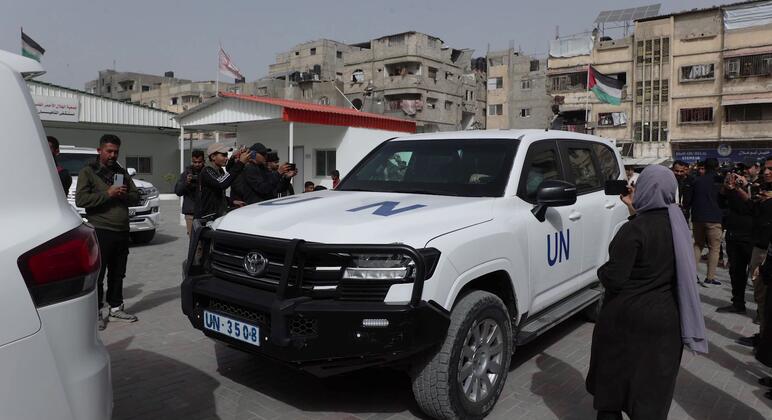

Rafah Reopening Offers Lifeline for Patients, But Aid Flow Still Far from Enough
Introduction
The Rafah crossing, a vital border point between Egypt and Gaza, has become a symbol of hope and despair. While its occasional reopening provides a lifeline for patients needing medical treatment and essential supplies, the reality is that the aid flow is still woefully inadequate. This article explores the implications of the Rafah crossing’s reopening, focusing on the medical, humanitarian, and political dimensions.
The Significance of the Rafah Crossing
Historical Context
The Rafah crossing has been a critical channel for humanitarian aid, especially since the blockade of Gaza began in 2007. With limited access to essential medical supplies and services within the territory, many patients are forced to seek treatment outside Gaza. Consequently, the reopening of Rafah is not just a logistical matter; it reflects the complexities of humanitarian aid in a region marked by ongoing conflict.
Recent Developments
In recent months, the Rafah crossing has seen sporadic reopenings, reportedly aimed at allowing patients to receive urgent medical treatment in Egypt and other parts of the world. This situation raises hope for many families but also highlights the consistent volatility of aid flow in the region.
Medical Needs: A Pressing Concern
An Overview of Health Challenges
Gaza’s healthcare system faces enormous challenges, including overcrowded hospitals, a lack of medical supplies, and inadequate training for medical personnel. Chronic conditions such as diabetes and heart disease go untreated, exacerbating the urgent need for specialized medical care available outside the region.
Patient Stories
Many patients across Gaza find themselves in increasingly precarious situations. For instance, a young cancer patient, Amani, recently managed to cross the Rafah border for treatment unavailable in Gaza. Stories like hers underscore the critical importance of the Rafah reopening, yet they also highlight the sheer volume of patients still awaiting similar opportunities.
Humanitarian Aid: What’s Required?
Demand Versus Supply
Although the Rafah crossing’s reopening has facilitated some patient transfers, the overall humanitarian aid supply remains insufficient. Aid organizations estimate a significant shortage of essential medical supplies—ranging from life-saving medications to surgical equipment.
Importance of International Support
The international community’s role cannot be understated. Countries and organizations must increase their support for humanitarian initiatives directed at Gaza. An adequate flow of aid would not only address immediate medical needs but also contribute to long-term health system improvements.
Limited Access: An Ongoing Struggle
Challenges at the Rafah Border
While the Rafah border facility may open occasionally, the unpredictability often leaves patients and caregivers in limbo. Long waits, bureaucratic hurdles, and limited capacity can result in missed treatments and worsened health outcomes.
The Role of NGOs and Volunteers
Non-Governmental Organizations (NGOs) and local volunteers play a crucial role in facilitating patient transfers and supporting those left behind. Their efforts ensure that information reaches families about the status of the crossing, though they are often outmatched by the scale of the need.
Political Implications
The Regional Context
The broader geopolitical landscape complicates the situation. Political tensions between Israel, Egypt, and Hamas contribute to the inconsistency of Rafah’s operations, with negotiations often focusing on security rather than humanitarian access.
Calls for Policy Change
Several human rights organizations have called for policy changes to ensure that humanitarian aid flows more seamlessly into Gaza. These changes could include streamlined processes for patient transfers and more robust international oversight of the crossing.
The Impact on Mental Health
Ongoing Trauma
The prolonged conflict and unstable living conditions have a profound impact on mental health. Anxiety and depression are prevalent among patients and their families as they navigate the uncertainties surrounding medical care and daily survival.
The Importance of Psychological Support
Mental health support is just as crucial as physical health interventions. Organizations working in Gaza must prioritize psychological care to address the unique challenges faced by patients, such as trauma from conflict and anxiety over their medical conditions.
Conclusion
The reopening of the Rafah crossing is a critical lifeline for many patients in Gaza, providing fleeting hope amid a humanitarian crisis. However, the reality of medical needs far outweighs the current flow of aid. International support and effective policy changes are essential to ensure that the residents of Gaza can access the care they urgently require.
Call to Action
For concerned individuals and organizations, advocating for humanitarian aid and supporting NGOs working on the ground can make a meaningful difference. The reopening of Rafah may be a step in the right direction, but sustained efforts are needed to transform this lifeline into a consistent source of hope for all those in need.
This article, structured for SEO optimization, employs relevant headings and keywords throughout, including “Rafah reopening,” “aid flow,” “medical needs in Gaza,” and “humanitarian crisis,” aimed at attracting audiences searching for information on these pressing issues.
For more details and the full reference, visit the source link below:
Read the complete article here: https://news.un.org/feed/view/en/story/2026/02/1166881