

World News in Brief: Key Updates on Children at Risk in South Sudan, Balochistan Attacks, and Undersea Cable Security
Introduction
In today’s globally interconnected world, events occurring in one region can resonate universally, shaping international responses and actionable discussions. This article provides a brief overview of pressing global issues — the perilous situation for children in South Sudan, ongoing attacks in Balochistan, and recent summit discussions emphasizing enhancements in undersea cable security. Each topic encapsulates the multifaceted challenges we face and underscores the world’s need for urgent action and collaborative solutions.
Children at Risk in South Sudan
Dire Humanitarian Crisis
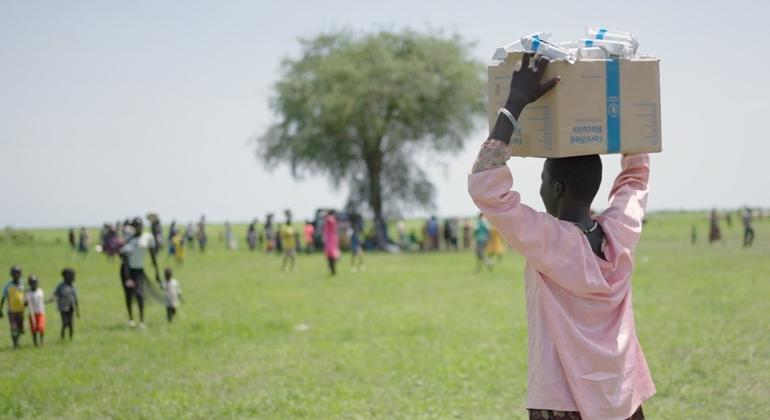
South Sudan is currently facing one of the gravest humanitarian crises, primarily impacting vulnerable populations, particularly children. UNICEF has reported alarming statistics indicating that millions of children are suffering from acute malnutrition and lack access to essential healthcare services. Approximately 1.4 million children are at risk of famine, highlighting urgent needs for food, medical assistance, and protection.
Ongoing Conflict and Displacement
The civil war that began in 2013 has led to widespread violence, with many families forced to flee their homes. Displacement has created a precarious situation wherein children are often left without guardians and are at greater risk of exploitation, including recruitment into armed groups. With limited access to education, these children face bleak prospects for their future.
International Response and Aid Efforts
International organizations, including humanitarian groups and the UN, are mobilizing resources to alleviate suffering in South Sudan. However, ongoing conflict, logistical challenges, and insufficient funding hinder these efforts. Calls for a more substantial international response are growing, with advocates emphasizing the need for sustainable solutions targeting the root causes of conflict and instability.
Balochistan Attacks
Rising Violence and Unrest
Balochistan, Pakistan’s largest province, has been marred by violence, with recent attacks raising the alarm over security and peace in the region. A spate of bombings and targeted killings attributed to militant groups has left numerous civilians dead and others injured, igniting fears among local communities. The violence not only disrupts daily life but also creates an atmosphere of fear and uncertainty.
Impacts on Civilians
The continuous attacks have severe repercussions for the civilian population. With schools, markets, and homes becoming frequent targets, residents are increasingly reluctant to participate in community life. Economic distress and decreased livelihoods exacerbate the plight of the Baloch people, further perpetuating a cycle of violence and desperation.
Government Actions and Challenges
The Pakistani government faces immense pressure to restore order while addressing the underlying grievances of the Baloch populace. Policymakers must navigate complex political, economic, and social landscapes to effectively counteract violent extremism while promoting regional stability. Increased military presence and crackdowns have been met with mixed reactions, necessitating a more balanced approach that includes dialogue and socio-economic development initiatives.
Summit Backs Boost for Undersea Cable Security
Importance of Undersea Cables
Undersea cables are the backbone of global communication and internet connectivity, carrying about 95% of international data traffic. The increasing reliance on digital infrastructure has made these cables critical national and international assets. With rising geopolitical tensions, securing these cables has become a priority for many nations.
Recent Summit Developments
During a recent summit, world leaders recognized the urgent need to boost security measures for undersea cables. Discussions focused on the vulnerability of these infrastructures to sabotage and espionage, emphasizing the need for international cooperation to protect them. Policy recommendations called for enhanced monitoring capabilities, international partnerships, and increased funding for preventative measures.
Future Outlook
The summit’s resolutions set the stage for collaborative efforts aimed at fortifying maritime security. Experts argue that improving undersea cable security is vital not only for safeguarding data but also for ensuring economic stability and national security. As technology continues to evolve, maintaining the integrity of these channels will demand comprehensive strategies and sustained global cooperation.
Conclusion
From the life-threatening conditions faced by children in South Sudan to the violence in Balochistan and the urgent discussions surrounding undersea cable security, these pressing issues illustrate the complex landscape of global challenges. Prompt and coordinated international responses are essential to safeguard lives, promote peace, and ensure the continued integrity of vital communication channels around the world. As we navigate these tumultuous times, awareness and advocacy remain indispensable in fostering a more secure and equitable global society.
For more details and the full reference, visit the source link below:
Read the complete article here: https://news.un.org/feed/view/en/story/2026/02/1166883