
World News in Brief: Key Updates from Sudan, India, and Afghanistan
In today’s interconnected world, staying updated with global news is crucial. This brief highlights significant events concerning returnees from Sudan, a Nipah virus alert in India, and the food security crisis in Afghanistan. These issues not only impact the regions directly involved but also have wider implications for global health and stability.
IOM Warning for Sudan Returnees
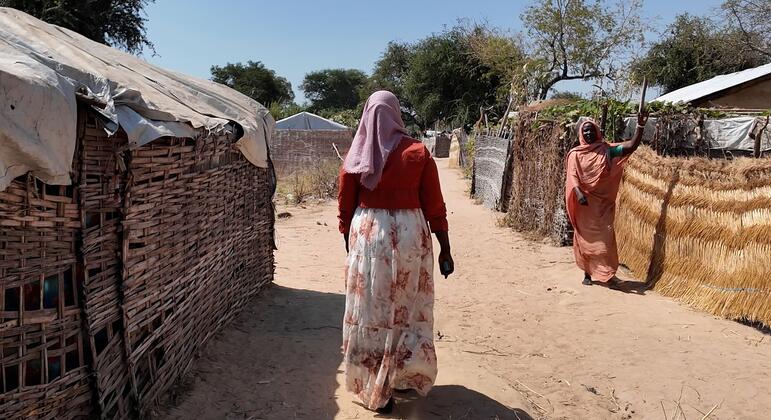
The International Organization for Migration (IOM) has issued a pertinent warning regarding the alarming situation facing Sudanese returnees. With the ongoing political instability and humanitarian crises in Sudan, many individuals and families feel compelled to return home despite the risks.
Background on Sudan’s Crisis
Sudan has been engulfed in a political turmoil that has led to widespread violence and displacement. The fallout from the regional conflicts has left many without basic necessities such as food, water, and healthcare. The IOM has reported a surge in people trying to flee the chaos, but returnees are met with challenges as the situation in their home communities remains precarious.
Risks for Returnees
IOM’s warning emphasizes that returnees could face numerous dangers upon their return. The lack of infrastructure and unstable governance means communities are often ill-equipped to receive them. Issues such as lack of housing, healthcare, and jobs are rampant. Moreover, the threat of violence and potential re-displacement are constants, underscoring the vulnerability of individuals seeking a sense of belonging and safety.
Supporting Initiatives
The IOM is actively working to provide assistance to these returnees. This includes reintegration programs that aim to facilitate their safe return, provide immediate support, and encourage community acceptance. These initiatives are essential in mitigating the risks and helping returnees rebuild their lives within their communities.
Nipah Virus Alert for India
In another alarming global health update, India has issued a warning regarding the Nipah virus, a zoonotic disease that can have severe consequences if left unchecked.
What is Nipah Virus?
The Nipah virus is a highly pathogenic virus that can cause respiratory illness and encephalitis in humans and has a high mortality rate. It is primarily transmitted through direct contact with infected animals, particularly bats, or through contaminated food products, such as fruits left uneaten by bats. Human-to-human transmission is also possible, usually through close contact.
Current Situation in India
India has seen sporadic cases of Nipah virus over the past few years. The latest alert comes after reports of potential outbreaks, which have raised concerns among health authorities. Early detection and immediate intervention are critical to preventing widespread transmission.
Government Response
The Indian government and health authorities are intensifying surveillance in affected regions. They are mobilizing resources to ensure prompt containment measures are activated, including contact tracing and testing. Public awareness campaigns are being launched to educate citizens about the risks associated with the Nipah virus and the importance of preventive measures.
Food Security Crisis in Afghanistan
Afghanistan continues to face one of the most severe food security crises in the world. Ghastly reports of famine and malnutrition are becoming increasingly common, drawing international attention to the dire situation.
Overview of the Food Security Situation
Since the Taliban regained control of Afghanistan in 2021, the country has seen a staggering decline in humanitarian conditions. Economic collapse, compounded by international sanctions and an ongoing drought, has led to unprecedented levels of food insecurity. According to the United Nations, approximately half of Afghanistan’s population is experiencing acute hunger.
The Impact of Food Insecurity
Food insecurity not only threatens physical health, but it also has profound psychological implications. Malnutrition, especially among children, can lead to stunted growth and long-term cognitive issues. The future generation of Afghans faces massive hurdles in education and overall well-being due to the prevailing food crisis.
International Aid and Initiatives
Various international organizations are stepping in to provide aid. The World Food Programme (WFP) and other NGOs are distributing food supplies and nutritional supplements to vulnerable populations. However, these efforts are hampered by accessibility issues and funding shortages. The international community must rally support to address this humanitarian emergency effectively.
SEO Optimization Strategies
To enhance the visibility of this article and reach a wider audience, implementing SEO optimization techniques is vital. Here are some strategies:
-
Keywords: Use relevant keywords like “Sudan returnees,” “Nipah virus India,” and “food security Afghanistan” to improve search ranking.
-
Meta Tags: Create catchy meta titles and descriptions to enhance click-through rates on search engines.
-
Internal Links: Provide links to other related news articles for further reading, which can keep readers engaged and improve site navigation.
-
Image Alt Text: If images accompany the article, use descriptive alt text for each image to ensure they are indexed correctly.
-
Mobile Optimization: Ensure that the article is mobile-friendly, as this can significantly impact search rankings.
Conclusion
The global landscape is constantly evolving, and the issues highlighted in this article — the challenges faced by Sudanese returnees, the Nipah virus alert in India, and the food security crisis in Afghanistan — serve as a reminder of the complexities we face in today’s world. Staying informed is essential, as these issues not only affect regional stability but also have far-reaching effects on global health and humanitarian principles. Understanding these situations allows us to advocate for international solidarity and support for those most affected.
For more details and the full reference, visit the source link below:
Read the complete article here: https://news.un.org/feed/view/en/story/2026/01/1166855