
Sudan: UN Rights Chief Warns of Deteriorating Situation Without International Action
Introduction
Sudan, a nation plagued by conflict, political instability, and humanitarian crises, finds itself at a critical juncture. The UN Human Rights Chief’s recent warnings signal an urgent need for international intervention to avert further deterioration. This article will explore the situation in Sudan, the implications of inaction, and the necessary steps for global engagement.
Current Situation in Sudan
Sudan has faced turmoil for decades, stemming from political coups, civil war, and ongoing ethnic conflicts. The overthrow of longtime leader Omar al-Bashir in 2019 brought a glimmer of hope for democratic reforms, but that hope has been overshadowed by escalating violence and a power struggle between military factions.
Human Rights Violations
Reports indicate widespread human rights abuses, including arbitrary detentions, torture, and extrajudicial killings. The UN Human Rights Council has documented over 1,000 civilian deaths since the latest conflict reignited, with thousands more displaced. Women and children are particularly vulnerable, facing gender-based violence and limited access to resources.
Humanitarian Crisis
The humanitarian situation is dire. Millions are in urgent need of assistance, with food insecurity rising alarmingly. According to the World Food Programme, approximately 20 million Sudanese suffer from acute hunger. Access to clean water, healthcare, and educational resources has plummeted, exacerbating existing vulnerabilities.
The UN Rights Chief’s Warning
UN High Commissioner for Human Rights Volker Turk has vocally expressed concerns regarding the ongoing crisis in Sudan. His statement emphasizes that “worse is to come” if the international community does not take decisive action.
Importance of International Attention
Turk’s call for action underscores the necessity of international engagement in addressing Sudan’s multifaceted crisis. Without external pressure and support, the prospects for peace and stability will diminish significantly. Increased conflict will not only endanger Sudanese lives but could also destabilize the surrounding region, creating a ripple effect.
The Ripple Effect: Regional Implications of Inaction
Sudan’s instability poses risks that extend beyond its borders. Neighboring countries, already grappling with their own challenges, may find themselves facing increased refugee flows, cross-border violence, and economic instability.
Refugee Crisis
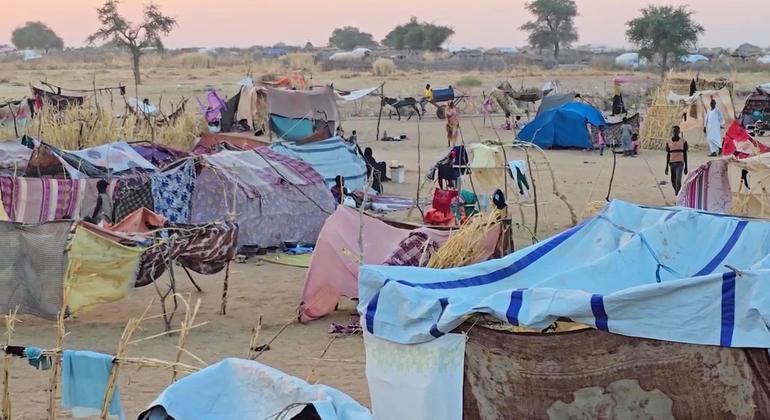
The ongoing violence has already forced millions of Sudanese to flee to neighboring countries, including South Sudan, Chad, and Egypt. These nations, already struggling with their own humanitarian challenges, lack the resources to adequately support an influx of refugees.
Economic Consequences
An unstable Sudan threatens the economic well-being of the entire region. Trade disruptions and increased insecurity can hinder economic growth, leading to broader regional instability.
The Role of the International Community
The international community has a critical responsibility in addressing the plight of Sudanese citizens. The following are essential actions needed to restore stability and promote human rights in the country.
Diplomatic Engagement
Diplomatic channels must be leveraged to foster discussions among rival factions within Sudan, encouraging a peaceful resolution to the power struggle. The international community should support mediation efforts and facilitate dialogue, ensuring all voices, especially those of marginalized communities, are heard.
Humanitarian Assistance
Immediate humanitarian aid is necessary to alleviate the suffering of millions. The international community must allocate resources to support food, healthcare, and education, and work with local organizations to ensure assistance reaches those in need.
Sanctions and Accountability
Targeted sanctions against individuals responsible for human rights violations can serve as a deterrent. International accountability mechanisms should be established to address past abuses and promote justice for victims.
Support for Civil Society
Empowering civil society organizations and grassroots movements is essential in reshaping Sudan’s future. Support for local NGOs and activists can help create a foundation for democratic governance and sustainable peace.
Conclusion
As the situation in Sudan continues to unravel, the UN rights chief’s warning serves as a clarion call for immediate international action. Without timely intervention, the consequences of inaction will be dire, not only for the Sudanese people but also for the stability of the broader region. The global community has a moral obligation to stand in solidarity with Sudanese citizens and take proactive steps to promote human rights, humanitarian assistance, and sustainable peace.
Call to Action
Engaging in dialogue, providing humanitarian aid, and holding perpetrators of violence accountable are not merely options but necessities in the face of this urgent crisis. As global citizens, we must advocate for effective international action to forge a brighter future for the people of Sudan. The stakes are too high to ignore; the time for action is now.
By investing in Sudan’s future, the international community can help rebuild a nation fraught with challenges and contribute to long-lasting peace and stability.
For more details and the full reference, visit the source link below:
Read the complete article here: https://news.un.org/feed/view/en/story/2026/02/1166925