
DR Congo: UN Vows Orderly Peacekeeping Transition as South Africa Withdraws Troops
Introduction
The Democratic Republic of the Congo (DR Congo) has been a focal point for international peacekeeping efforts for decades, primarily due to its complex socio-political landscape and history of conflict. Recently, the United Nations has pledged to ensure a smooth transition of peacekeeping responsibilities as South Africa begins to withdraw its troops from the region. This article explores the implications of this transition, the role of the UN, and the overall situation in the DR Congo.
Background: The Current State of Peacekeeping in DR Congo
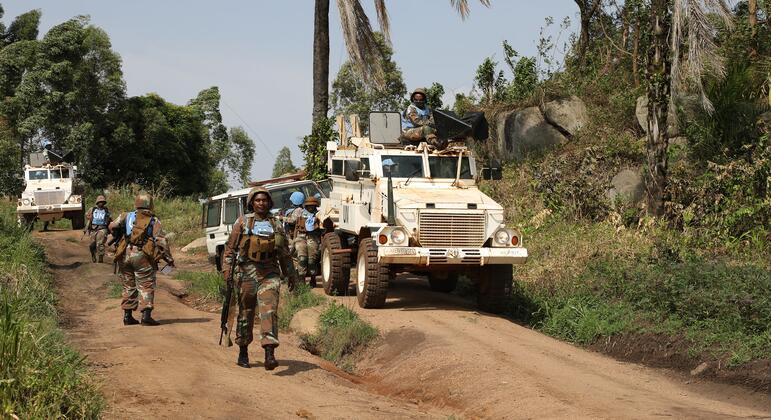
The United Nations Organization Stabilization Mission in the Democratic Republic of the Congo (MONUSCO) has been operational since 2010, following the end of a tumultuous civil war that led to millions of deaths and displacements. MONUSCO’s mandate includes protecting civilians, supporting the Congolese government, and assisting in the stabilization of this vast African nation.
The South African National Defence Force (SANDF) has also played a vital role in peacekeeping operations. With a focus on regional stability, South Africa has been an active participant in various peacekeeping missions in the African continent. However, as they begin to withdraw their troops from the DR Congo, concerns are growing over the implications for peace and stability in the region.
The Process of Withdrawal: South Africa’s Perspective
South Africa’s decision to withdraw its troops from the DR Congo stems from a combination of factors: financial constraints, internal political considerations, and the desire to focus on domestic issues. As tensions rise in South Africa regarding the efficacy of its military resources abroad, the government finds itself at a crossroads. The withdrawal of approximately 1,500 troops is not only symbolic but also practical, as it suggests a shift in the South African approach to regional peacekeeping.
The Role of the United Nations
Support and Oversight
In light of South Africa’s withdrawal, the United Nations is committed to a smooth and orderly transition. This entails not only the reallocation of duties but also the reinforcement of existing peacekeeping forces in the DR Congo. The UN has pledged to enhance its capacity to monitor and address potential security challenges and to support efforts aimed at building a strong civil society.
Peacekeeping Reinforcement
The UN is actively assessing the situation on the ground, which includes evaluating the operational efficacy of MONUSCO. They have indicated that any significant changes in troop deployment will be undertaken in phases to ensure minimal disruption. The focus will shift towards increasing support from countries that have historically contributed personnel and resources, ensuring that the peacekeeping mission remains robust.
Challenges Ahead for DR Congo
While the UN’s commitment to an orderly transition is vital, several challenges remain that could hinder peace and stability in the DR Congo:
Internal Conflicts
The DR Congo has a history of internal strife, with numerous armed groups vying for control over resource-rich territories. As the South African troop withdrawal progresses, these groups may perceive a power vacuum, leading to increased violence and instability. The UN will need to engage with local authorities and communities to provide timely grassroots support and mediation.
Economic Factors
The Congolese economy relies heavily on its natural resources, including minerals like diamond, gold, and cobalt. However, the country is plagued by corruption, lack of infrastructure, and poor governance. The prospects of economic recovery hinge on establishing political stability, which may be disrupted during this transition phase. Continuous international support will be crucial to mitigate economic challenges.
Humanitarian Concerns
The humanitarian situation in the DR Congo is dire, with millions facing food insecurity and displacement. The withdrawal of South African troops could exacerbate the humanitarian crisis, as security concerns impact deliverables from various NGOs. The UN must prioritize humanitarian aid and ensure safe access for organizations working to alleviate suffering on the ground.
Collaborative Approaches to Stability
To maintain peace and stability in the DR Congo, collaborative approaches involving governments, international organizations, and civil society will be indispensable.
Regional Cooperation
Countries in the Southern African Development Community (SADC) must work together to ensure regional stability. Strengthening diplomatic relations and communication channels between neighboring countries can prevent the escalation of violence and promote shared responsibility for peacekeeping.
Engaging Civil Society
Engaging local communities and civil society organizations is essential for achieving lasting peace. These entities are often more attuned to the local dynamics and can play a vital role in identifying underlying tensions and potential points of conflict before they escalate. The UN should partner with local organizations to facilitate dialogue and promote reconciliation efforts.
Conclusion
As South Africa withdraws its troops from the Democratic Republic of the Congo, the UN’s commitment to an orderly peacekeeping transition becomes paramount. The challenges that lie ahead, including internal conflicts, economic instability, and humanitarian crises, require coordinated efforts from multiple stakeholders. A robust international presence, regional cooperation, and active engagement of civil society will be essential in ensuring the DR Congo can navigate this transitional phase effectively.
The unfolding situation in the DR Congo illustrates the delicate balance between withdrawal and the need for sustained support, reminding us of the complexities of peacekeeping operations in volatile regions. Only through collaborative efforts can the dream of stability and prosperity in the DR Congo be realized.
For more details and the full reference, visit the source link below:
Read the complete article here: https://news.un.org/feed/view/en/story/2026/02/1166926