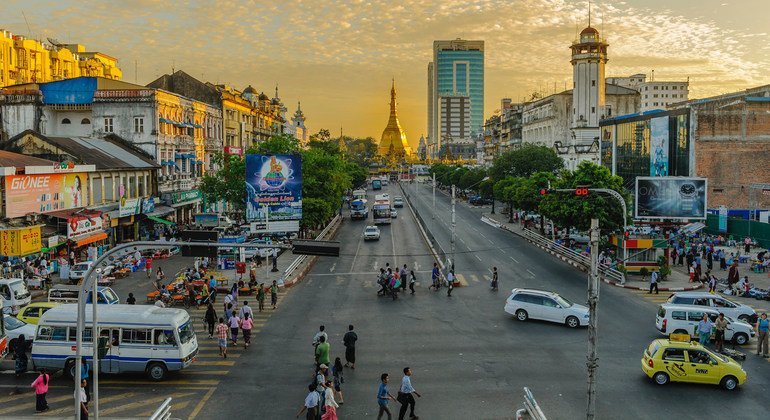

Myanmar Crisis Deepens Five Years After Coup: Military Ballot Entrenches Repression
Introduction
Five years have passed since the military coup in Myanmar that ousted the democratically elected government of Aung San Suu Kyi. The situation in the country has worsened significantly, characterized by widespread human rights abuses, economic turmoil, and an increasingly oppressive political environment. As Myanmar approaches a new round of military-backed elections, the crisis deepens, raising concerns about the future of democracy, human rights, and stability in the region.
Background to the Crisis
The coup, executed on February 1, 2021, was a dramatic reversal of a decade-long transition towards democracy. The military, known as the Tatmadaw, seized power, alleging widespread electoral fraud in the November 2020 elections, which were won overwhelmingly by the National League for Democracy (NLD). The military’s return to power sparked mass protests, resistance movements, and a brutal crackdown on dissent, plunging Myanmar back into a repressive state.
The Escalation of Repression
Following the coup, the military junta employed increasingly violent tactics to stifle opposition. Arbitrary detentions, torture, and extrajudicial killings have become commonplace, as the military attempts to quell any resistance to its rule. Reports from human rights organizations detail widespread abuses, including the systematic targeting of civilians and ethnic minorities, particularly in regions like Rakhine, Karen, and Kachin states.
Human Rights Violations
The military’s actions have been condemned globally, with various countries and organizations calling for sanctions and interventions. Reports indicate that around 3,000 civilians have been killed since the coup, while thousands more remain in detention. Women, children, and marginalized communities have borne the brunt of this violence, suffering atrocities that highlight the urgent need for international intervention.
The Humanitarian Crisis
The ongoing conflict has created a dire humanitarian crisis. As a result of the conflict, over 1.3 million people have been displaced, and access to basic services—such as healthcare, education, and food—has significantly deteriorated. International NGOs struggle to operate amid the chaos, impacting the provision of essential aid to those affected by the military’s actions.
Economic Downturn
The economic situation in Myanmar has reached critical levels, further exacerbating the humanitarian crisis. The coup disrupted numerous industries, leading to widespread unemployment and increased poverty. Inflation has soared, making basic necessities unaffordable for many. The junta’s mismanagement and lack of investment have plunged the economy into recession, worsening the living conditions for millions.
The Role of the Military in Politics
As Myanmar heads towards military-backed elections later this year, the junta is attempting to solidify its hold on power. The military has introduced new laws and governance structures aimed at legitimizing its rule. However, these elections have been widely criticized as a sham aimed at entrenching military control rather than achieving genuine democratic governance.
The Impact of International Responses
The international community has condemned the junta’s actions but has struggled to mount an effective response. While some countries have imposed sanctions, others continue to engage with the military, undermining efforts to achieve a unified stance against repression in Myanmar. The situation has prompted calls for a coordinated international response, emphasizing the importance of supporting democracy and human rights in the region.
Civil Resistance and Opposition
Despite the military’s brutal crackdown, the spirit of resistance among the people of Myanmar remains unbroken. Civil society groups, ethnic armed organizations, and spontaneous grassroots movements continue to challenge the junta’s rule. Protests have persisted in various forms, and new resistance groups have emerged, often employing unconventional strategies to confront the military’s might.
The Role of the National Unity Government
In response to the coup, the NLD and other opposition groups formed the National Unity Government (NUG), a parallel government that aims to promote democracy, human rights, and social justice. The NUG has garnered international recognition and support, advocating for increased assistance to those resisting the military regime. However, the NUG’s struggle for legitimacy continues amid ongoing violence and repression.
The Future of Myanmar
As Myanmar stands on the precipice of another military election, the future remains uncertain. The junta’s efforts to consolidate power are met with fierce resistance, leading to an impasse that further destabilizes the country. The likelihood of renewed violence and repression is high, as the military seeks to silence dissent and solidify its control.
International Community’s Role
The international community must act decisively to support the people of Myanmar. This includes imposing stronger sanctions on the junta, providing humanitarian assistance to those in need, and recognizing the NUG as a legitimate representative of the people. Supporting democratic movements and civil society organizations is crucial in promoting the restoration of democracy and human rights.
Conclusion
Five years after the coup, the crisis in Myanmar shows no signs of abating. The military’s grip on power continues to deepen, while human rights violations and humanitarian needs escalate. The commitment to democracy and human rights must not wane, and the international community must unite in its efforts to support the brave individuals who are fighting for a brighter future for Myanmar. As the situation unfolds, vigilance, solidarity, and action are essential in the struggle against repression and for the restoration of democracy in the country.
For more details and the full reference, visit the source link below:
Read the complete article here: https://news.un.org/feed/view/en/story/2026/01/1166866