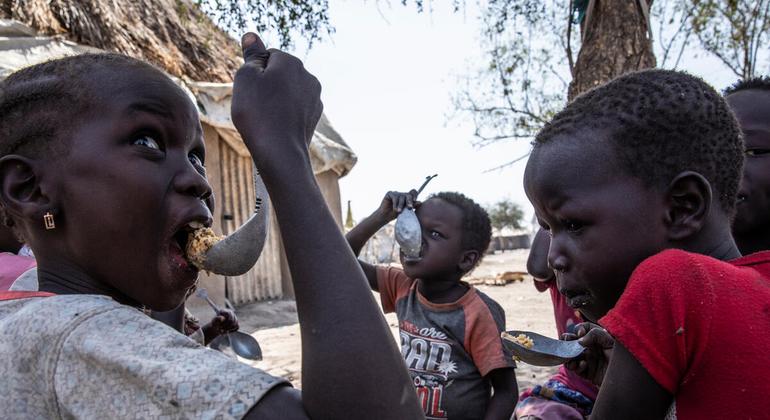

South Sudan: ‘All the Conditions for a Human Catastrophe Are Present’
South Sudan, the world’s newest nation, gained its independence from Sudan in July 2011. However, instead of ushering in an era of peace and prosperity, the nation has faced continuous conflict, poverty, and humanitarian crises. With extreme conditions prevailing, it is no surprise that many experts assert that “all the conditions for a human catastrophe are present.” In this article, we will explore the underlying factors contributing to this dire situation, the humanitarian implications, and the paths forward for this fragile nation.
Historical Context: A Nation Riven by Conflict
The Legacy of Division
The struggles that plague South Sudan today can be traced back to decades of conflict with Sudan, rooted in ethnic divisions and religious differences. The Sudanese Civil Wars (1955-1972 and 1983-2005) set the stage for the eventual push for independence, but they left deep scars on society, creating a landscape of mistrust and violence.
A Fragile Independence
With independence came expectations of a brighter future. However, political infighting, especially between President Salva Kiir and former Vice President Riek Machar, reignited old rivalries, leading to a civil war in December 2013. This internal conflict has intensified existing tensions and complicated efforts for nation-building.
The Humanitarian Crisis: A Comprehensive Overview
Food Insecurity: A Looming Famine
One of the grim realities in South Sudan is the dire state of food security. According to the World Food Programme, millions face severe hunger. Factors such as ongoing conflict, drought, and economic instability prevent farmers from cultivating their land, while inflation renders basic necessities unaffordable.
Statistics on Hunger
- Over 7 million people are estimated to be facing hunger.
- 1.4 million children are acutely malnourished, with severe malnutrition threatening their survival.
Displacement and Refugees: A Broken Society
Internal conflict has resulted in widespread displacement. Over 2 million people have been internally displaced, while nearly 1 million South Sudanese have sought refuge in neighboring countries. The lack of safety and basic resources adds to the suffering of those affected.
Health Challenges: A Looming Crisis
The healthcare system in South Sudan is virtually non-existent. Due to years of neglect and ongoing conflict, basic healthcare services are inaccessible to millions. Epidemic diseases such as cholera and malaria thrive in unsanitary conditions, exacerbating the humanitarian disaster.
The Role of International Aid: A Double-Edged Sword
The Response from Humanitarian Organizations
International organizations, including the United Nations and various NGOs, have rushed to provide aid. However, their efforts are often thwarted by the ongoing violence, bureaucratic hurdles, and restricted access to affected areas.
Challenges in Aid Delivery
Notably, access to humanitarian aid is frequently impeded by both government restrictions and military tensions. There are also concerns about corruption, which raises questions about the efficiency and transparency of aid distribution.
The Economic Landscape: A Nation on the Brink
Economic Meltdown
The economy of South Sudan relies heavily on oil exports, which have suffered due to declining global oil prices and ongoing conflict. Hyperinflation has rendered the local currency almost worthless, making it increasingly difficult for citizens to purchase essential items.
Corruption and Mismanagement
Corruption is rampant, with government officials often prioritizing personal gain over public welfare. This mismanagement has led to poor infrastructure and limited economic opportunities for everyday citizens.
Ethnic Divisions: A Nation Divided
A Legacy of Ethnic Tension
South Sudan is home to over 60 ethnic groups. The political struggle between the Dinka and Nuer ethnicities, primarily represented by Kiir and Machar, has exacerbated societal divisions, triggering violence and mistrust.
The Path to Reconciliation
While ethnic tensions threaten to plunge the nation deeper into chaos, there is also potential for reconciliation. Initiatives aimed at promoting dialogue among differing communities are critical for fostering understanding and unity.
The Future: Paving the Way Towards Stability
The Road Ahead: Peace Agreements
Efforts are ongoing to establish peace through negotiations, notably the Revitalized Agreement on the Resolution of the Conflict in South Sudan (R-ARCSS) signed in 2018. While this agreement holds promise, its implementation remains fraught with challenges.
The Importance of Local and International Support
The stabilization of South Sudan requires a collaborative effort from both local leaders and the international community. Investment in sustainable development, education, and healthcare is imperative for building a resilient society.
Empowering Communities
Empowering local communities to engage in peacebuilding and economic development is vital for long-term stability. Grassroots initiatives can unlock potential for citizens, enabling them to rebuild their lives amidst adversity.
Conclusion: A Call to Action
The situation in South Sudan is dire, with the potential for a humanitarian catastrophe lingering palpably. The combination of conflict, poverty, and systemic issues presents a formidable challenge. However, with sustained international attention, investment in development, and a commitment to peace, the people of South Sudan may finally find a path toward stability and a brighter future.
Final Thoughts
Addressing the humanitarian crisis in South Sudan requires urgent action from the global community, local leadership, and humanitarian organizations. The implications are profound—not only for South Sudan but for regional stability as well. By tackling the roots of conflict and investing in people, there is hope for a nation once deemed a catastrophe to emerge as a beacon of resilience and unity.
For more details and the full reference, visit the source link below:
Read the complete article here: https://news.un.org/feed/view/en/story/2026/01/1166865